
Overview
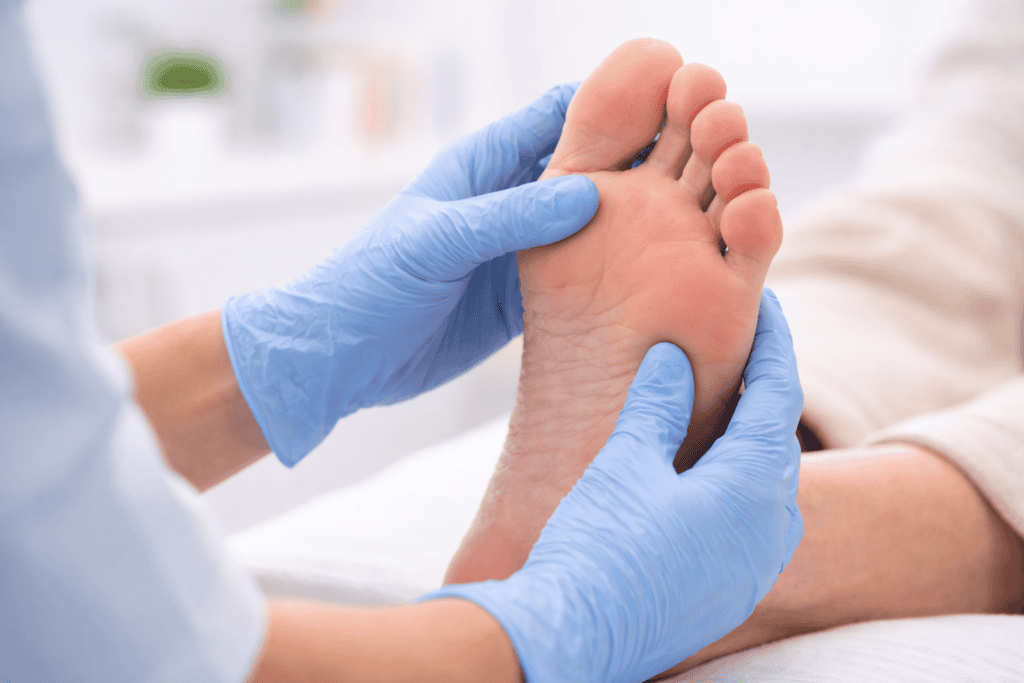
Custom orthotics are specially designed insoles created specifically for your feet to correct biomechanical issues, reduce pain, and improve how your feet function. Unlike off-the-shelf shoe inserts, custom orthotics are prescribed and manufactured based on a detailed assessment of your individual foot structure, gait pattern, and specific condition.
Professional podiatrist orthotics are one of the most effective conservative treatments for various foot and lower limb conditions, including plantar fasciitis, bunions, metatarsalgia, and flat feet. An HCPC-registered podiatrist has the expertise to diagnose biomechanical problems, prescribe appropriate custom orthotics, and monitor their effectiveness throughout treatment.
What Are Custom Orthotics?
Understanding Podiatrist Orthotics
Custom orthotics are functional medical devices, not merely comfortable shoe inserts. They work by:
- Correcting Foot Position: Realigning the foot and ankle to distribute weight evenly
- Reducing Abnormal Motion: Controlling overpronation or supination (rolling inward or outward excessively)
- Cushioning Pressure Points: Supporting areas prone to pain or injury
- Improving Shock Absorption: Protecting joints from excessive impact
- Enhancing Stability: Providing support during walking, running, or standing
Properly prescribed orthotics address the root biomechanical cause rather than merely masking symptoms. This approach often provides lasting relief and prevents complications.
Common Conditions Treated with Custom Orthotics
Foot and Lower Limb Problems
Plantar Fasciitis: Custom orthotics provide arch support and reduce stress on the plantar fascia, often producing significant pain relief.
Flat Feet (Pes Planus): Over-pronation in flat feet causes abnormal joint loading. Orthotics restore proper arch support and foot alignment.
High Arches (Pes Cavus): These rigid feet don’t absorb shock effectively. Orthotics improve shock absorption and distribute pressure more evenly.
Bunions: While not curing bunions, orthotics can slow progression and reduce pain by improving foot biomechanics and reducing excessive motion at the first metatarsophalangeal joint.
Metatarsalgia: Pain under the ball of the foot often improves dramatically with custom orthotics that redistribute pressure away from affected metatarsal heads.
Hammer Toe and Toe Deformities: Orthotics help correct underlying biomechanical factors that contribute to deformity.
Achilles Tendonitis: Orthotics controlling foot motion reduce abnormal stress on the Achilles tendon.
Knee and Hip Pain: Biomechanical foot problems often contribute to pain up the kinetic chain. Correcting foot function can alleviate knee and hip discomfort.
Shin Splints (Medial Tibial Stress Syndrome): Orthotics reducing pronation can significantly decrease shin pain in runners and athletes.
How Custom Orthotics Differ from Over-the-Shelf Inserts
Why Professional Orthotics Are More Effective
Individualised Design: A podiatrist creates orthotics based on your unique foot structure, movement pattern, and specific diagnosis. Off-the-shelf inserts use generic designs attempting to suit a wide population.
Proper Assessment: Your podiatrist performs gait analysis, foot examination, and biomechanical assessment to determine exactly what correction your feet need. Generic inserts provide standard support without personalisation.
Materials and Construction: Professional orthotics use high-quality materials and precise manufacturing techniques. They’re built to last and maintain proper support over time.
Professional Fitting: Your podiatrist ensures orthotics fit correctly within your shoes, function properly, and integrate into your daily footwear appropriately.
Ongoing Adjustment: Podiatrists monitor your progress and adjust orthotics as needed. This refinement optimises treatment outcomes.
While quality over-the-shelf inserts can provide some benefit, custom orthotics offer superior effectiveness for moderate to severe foot conditions.
The Custom Orthotics Prescription Process
From Assessment to Wearing Your Orthotics
Initial Consultation: Your podiatrist takes a detailed history, examining: – Your symptoms and when they occur – Your daily activities and footwear – Your medical history and current conditions – Any previous foot problems or treatments
Physical Examination: The podiatrist assesses: – Your foot structure (arch height, alignment, joint mobility) – Skin condition and any areas of pressure – Muscle strength and flexibility – Sensation and circulation
Gait Analysis: Watching you walk, the podiatrist identifies: – How your feet contact the ground – How much your feet pronate or supinate – Any compensatory movements up the kinetic chain – Specific biomechanical issues contributing to your symptoms
Foot Casting or Scanning: The podiatrist creates a mould of your feet using: – Traditional plaster casting, or – Digital foot scanning (a quick, non-invasive method)
This mould captures your foot’s three-dimensional structure in its normal or corrected position.
Prescription Details: Based on all the above information, your podiatrist specifies: – The type of orthotics (rigid, semi-rigid, or soft) – Specific corrections needed (arch support height, posting angles) – Materials best suited to your needs – Any special features or padding required
Manufacturing: A specialist laboratory manufactures your orthotics to your podiatrist’s exact specifications, typically taking 2-4 weeks.
Fitting and Adjustment: When your orthotics are ready, your podiatrist: – Ensures they fit properly in your shoes – Makes any necessary adjustments for comfort – Provides instructions on gradual integration into your daily wear – Schedules a follow-up to monitor how you’re responding
Types of Custom Orthotics
Different Options for Different Needs
Rigid or Semi-Rigid Orthotics: Made from firm materials like polypropylene, these provide maximum support and motion control. They’re ideal for: – Significant biomechanical issues – Severe pain conditions – Sports and high-demand activities – Conditions requiring strict motion control
These are typically worn in supportive shoes and may take adjustment time.
Soft or Cushioned Orthotics: Made from foam or gel materials, these prioritise comfort and shock absorption. They’re suitable for: – Mild to moderate biomechanical issues – Patients preferring comfort over maximum correction – Fitting into casual or dress shoes – General pain relief and support
Sport-Specific Orthotics: Customised for particular activities (running, football, tennis), these balance performance with injury prevention.
Dress Shoe Orthotics: Thinner, low-profile designs fitting into dress shoes or fashionable footwear while still providing meaningful support.
Your podiatrist recommends the type best suited to your condition, lifestyle, and footwear needs.
Wearing and Maintaining Your Orthotics
Getting the Most from Your Custom Orthotics
Breaking In Period: Don’t expect immediate comfort. Gradual integration is important: – Wear orthotics for just a few hours initially – Increase wear time daily over 1-2 weeks – Your feet need time to adjust to the new support – Some muscle soreness is normal during this adjustment phase
Footwear Compatibility: Orthotics must fit appropriately in your shoes: – Choose supportive shoes with adequate depth – Avoid very flat shoes or high heels with rigid orthotics – Remove any factory insoles before inserting your orthotics – Consider multiple pairs for different shoes or activities
Cleaning and Care: – Wipe orthotics regularly with a damp cloth – Air dry completely before wearing – Don’t expose to excessive heat – Replace as needed when they show signs of wear
Follow-up Appointments: Attend scheduled reviews with your podiatrist to: – Report how your feet feel and function – Identify any areas of discomfort – Make adjustments if needed – Discuss long-term wear and replacement
Durability and Cost
Investment in Long-term Foot Health
Custom orthotics typically cost more than off-the-shelf options (usually £300-600+ for a pair), but they:
- Last 3-5 years with proper care
- Prevent more expensive interventions
- Provide long-term pain relief
- Reduce risk of future foot problems
Cost varies based on materials, complexity of design, and whether custom features are needed. Some private health insurance policies cover orthotics, and some podiatrists offer payment plans.
Frequently Asked Questions
How quickly will I feel better with custom orthotics?
Most people notice some improvement within days or weeks, with continued improvement over 4-8 weeks. For some conditions (like plantar fasciitis), significant relief may take 6-12 weeks as tissues heal. Consistency is important—wearing your orthotics regularly produces better results than sporadic use.
Do I need to wear orthotics forever?
This depends on your condition and its cause. Some people achieve lasting improvement and can eventually reduce orthotics use. Others find they need ongoing support. Your podiatrist will discuss the likely long-term trajectory based on your specific situation. Many people find that once pain improves, they can wear orthotics less frequently or transition to using them only during demanding activities.
Can I use the same orthotics in all my shoes?
No, orthotics must fit appropriately in each shoe. For this reason, many people invest in orthotics for their most-worn shoes. Professional orthotics can sometimes be transferred between similar shoes (both with adequate depth and support), but they typically require a specific shoe type. Some podiatrists recommend having multiple pairs for different shoes or activities.
Are custom orthotics available on the NHS?
Availability varies by region and specific condition. Some NHS services provide orthotics for certain diagnoses, while others require private referral. Ask your GP about local NHS provision or contact a private HCPC-registered podiatrist for non-NHS treatment. Private treatment offers wider access and often shorter waiting times.
Can orthotics work for everyone?
Most people benefit significantly from well-prescribed custom orthotics. However, for treatment to work, your condition must have a biomechanical component that orthotics can address. Some conditions require additional or alternative treatments. Your podiatrist will assess whether orthotics are appropriate for your specific situation.
Invest in Foot Health with Custom Orthotics
Custom orthotics represent an investment in long-term foot health and pain relief. With professional assessment and prescription from a qualified podiatrist, they’re often one of the most effective conservative treatments available.
Find a podiatrist near you to discuss custom orthotics → Search our directory

Author: FootcareUK
Written by
FootcareUK Editorial Team
These guides give general information about foot health for a UK audience. They are not a substitute for a personal assessment — a podiatrist, chiropodist or foot health practitioner can examine your feet and advise on your own situation. If you spot something that looks wrong, tell us and we will correct it.